
General
Why Your Salary Feels Smaller: The Cost of Living vs. Your Paycheck
This video explores why a rising salary might not feel like financial progress, examining how inflation and lifestyle costs impact your real income. It provides a framework to assess your financial health beyond just your salary number.
Key takeaways
- A high salary might not feel sufficient due to the rising cost of living, which often outpaces income growth.
- Key expenses like rent, lifestyle spending, and medical inflation can significantly erode the value of your paycheck.
- Conducting a financial audit helps identify where your money is actually going, comparing expenses like rent and EMIs against your income.
- Practical solutions include negotiating rent, capping lifestyle spending, implementing a cooling-off period for purchases, and redirecting raises into savings.
- True financial progress should be measured by your savings rate, not solely by your salary, to effectively manage financial leaks.
Understanding the Salary Trap
Many people find that even with a good salary, like earning ₹1 lakh a month, it doesn't feel like enough. This video explains that this feeling isn't just about spending habits, but rather a gap between rising costs of living and stagnant income growth. Factors like rent hikes, medical inflation (which can be 10-14% annually), and everyday lifestyle expenses can quietly reduce the value of every raise you receive.
The Income and Expense Sides
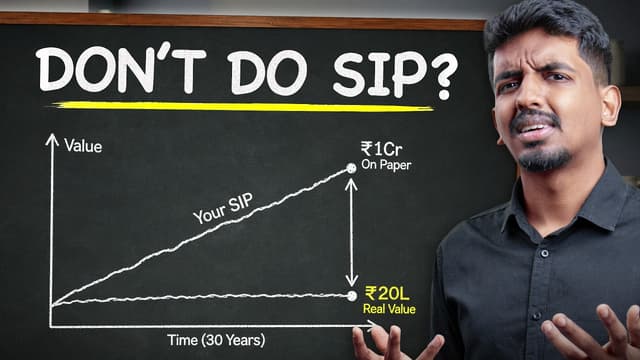
The video highlights that while your income might increase, the expense side often grows faster. Rent, for example, can increase significantly, potentially outpacing your salary hikes. Lifestyle spending and EMIs (Equated Monthly Installments) also consume a larger share of income over time if not managed carefully. Even investments like SIPs (Systematic Investment Plans) might not keep pace with the increasing cost of living if they are not regularly reviewed and adjusted.
Identifying Financial Leaks
To address this, the video suggests a practical audit to identify where your money is going. This involves looking at:
- Rent vs. Hikes: How much of your raise is consumed by rent increases?
- EMIs and Lifestyle Spend: What percentage of your income do these expenses represent?
- SIPs: Are your investments growing enough to meet your financial goals and keep up with inflation?
Strategies to Fix the Situation
The video offers concrete fixes to help you gain control over your finances:
- Negotiate Rent: Explore options to manage housing costs.
- Cap Lifestyle Spend: Set limits on discretionary spending.
- Cooling-Off Rule: Implement a waiting period before making significant purchases to avoid impulsive decisions.
- Redirect Raises: Prioritise saving and investing a portion of any salary increase before your lifestyle adjusts to the higher income.
- Match Investments to Goals: Ensure your investment strategy aligns with your financial objectives.
Ultimately, the video encourages measuring financial progress by your savings rate rather than just your salary. This approach helps you pinpoint specific areas where money might be leaking and allows you to take corrective action.
Frequently asked questions
Why does my salary feel smaller even after a raise?
Your salary might feel smaller because the cost of living, including rent hikes, medical inflation (10-14% annually), and general lifestyle expenses, often rises faster than your income, reducing your purchasing power.
How can I identify where my money is leaking?
You can identify financial leaks by conducting an audit that compares your rent increases against your salary hikes, assesses EMIs and lifestyle spending as a share of your income, and checks if your SIPs are keeping pace with your financial goals.
What are some practical ways to improve my financial situation?
Practical steps include negotiating rent, capping your lifestyle spending, using a cooling-off rule before big purchases, redirecting a portion of any raise directly into savings, and ensuring your investments are aligned with your financial goals.
More videos

Find your money leaks
Join 2.4M+ Indians · Free · 2 min