Editorial
What is OPEC and How Does it Control Global Crude Prices?
OPEC is a group of 13 major oil-exporting nations established in 1960 in Baghdad, Iraq. It acts as a cartel to manage crude oil supply volumes and stabilize global oil prices.
On this page
Key takeaways
- OPEC, or the Organization of the Petroleum Exporting Countries, is a group of 13 major oil-exporting nations established in 1960 in Baghdad, Iraq.
- OPEC controls global crude oil prices by setting production quotas for its member countries, which are adjusted based on current and future supply and demand.
- OPEC+ refers to OPEC and its allies, such as Russia, Mexico, and Kazakhstan, who coordinate production to support oil prices.
- Drawbacks of OPEC's quotas include inaccurate estimates for future supply and demand, lags in production target adjustments, and member nations cheating on their quotas.
- The United States' increased domestic production of shale oil has somewhat diminished OPEC’s ability to regulate oil prices.
Last year, the global demand for crude oil collapsed when almost all countries went into strict lockdowns amidst the Covid-19 pandemic. There was an excess supply of crude oil and a sharp decline in demand. We saw global crude prices plunge to record lows. This unfortunate situation was controlled by the coordinated efforts of the Organisation of the Petroleum Exporting Countries (OPEC) and its allies. They brought balance to global prices quite swiftly and with ease. In this article, learn more about OPEC and find out how it controls global crude oil prices.
What is OPEC?
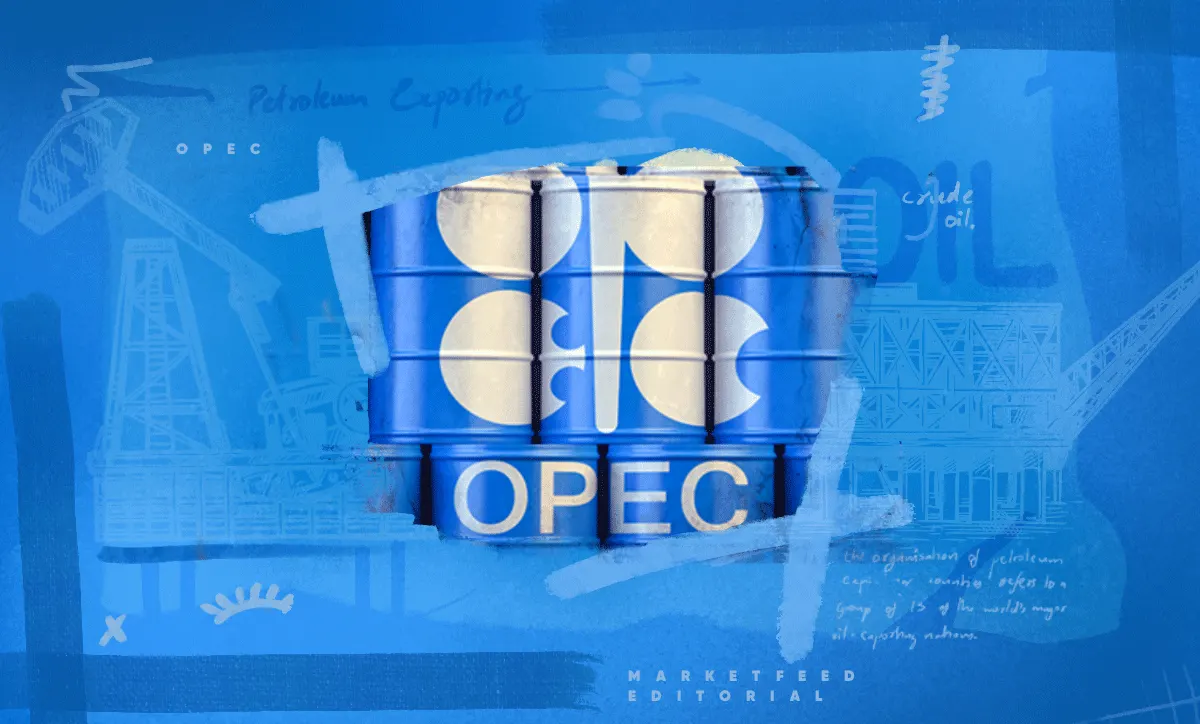
The Organization of the Petroleum Exporting Countries (OPEC) refers to a group of 13 of the world’s major oil-exporting nations. It was established in 1960 in Baghdad, Iraq. OPEC is essentially a cartel that manages the supply volumes of crude oil, thereby controlling oil prices in the global markets. The organisation uses various methods to ensure that oil rates are stabilised and price fluctuations are avoided.
Iran, Iraq, Kuwait, Saudi Arabia, and Venezuela are the five founding members of OPEC. The other member countries include Libya, the United Arab Emirates (UAE), Algeria, Nigeria, Gabon, Angola, Equatorial Guinea, and Congo. The membership is open to any country that is a substantial exporter (or producer) of crude oil. OPEC protects the interests of its member nations and makes sure that they receive a steady flow of income from an uninterrupted supply of crude oil to other nations. The headquarters of the organization is in Vienna, Austria.
Over the past few years, OPEC has been working with other oil-producing nations such as Russia, Mexico, and Kazakhstan to coordinate production and support oil prices. While these countries do not wish to become a part of OPEC, they assist them in controlling the global supply of oil. This group consisting of OPEC and its allies are referred to as OPEC+.
How Does OPEC Control Oil Prices?
OPEC conducts meetings twice a year to establish specific quotas or targets for each member. Several ‘extraordinary’ meetings are also conducted throughout the year to address pressing issues. In these meetings, the production targets for each member country are assigned or adjusted based on current supply and demand, as well as expectations of future supply and demand. The basic norm is that all member nations have to follow these quotas. Since most of OPEC’s oil production comes from state-run oil companies, it is easy for officials to control output/supply.
According to estimates, ~79.4% of the world’s proven oil reserves are located in OPEC member countries. This gives them significant control over crude oil supply and prices in the global markets. If OPEC wishes to increase oil prices when there is sufficient demand, the production quotas can be lowered to limit supply. On the other hand, if they want to reduce oil prices, quotas can be raised to increase supply. (Both cases are based on the assumption that global oil demand remains constant).
Drawbacks of OPEC’s Quotas/Targets
The estimates for future supply and demand may not be accurate, especially when market conditions are uncertain or changing rapidly. Very often, there are significant lags in OPEC's production target adjustments in response to market conditions. This can cause a severe impact on oil prices. Another major issue is that member nations repeatedly cheat on their quotas. They produce more oil than the target assigned to them. There are no provisions in place to punish these countries. When this happens, other nations often fight back by cheating on their respective quotas.
OPEC is widely criticized for its dominance in the global markets. As a cartel, all member nations have a strong motive to keep oil prices as high as possible while maintaining their respective shares in the global market. They have been accused of anti-competitive practices, including profiteering by limiting supply. OPEC also deliberately creates crude oil surpluses to bring down prices.
OPEC vs the United States
In the past decade, many argue that OPEC’s ability to regulate oil prices has somewhat diminished. The United States has increased its domestic production of high-quality shale oil over the years, which has reduced overall demand for OPEC-produced oil. This has caused downward pressure on crude prices, even when global consumption has increased.
Recent Developments
In April 2020, OPEC agreed to a historic cut in overall oil production by 9.7 million barrels per day, as the coronavirus-induced lockdowns hit demand. The member countries largely complied with the limit in production and were able to quickly balance out the oversupplied global market. However, it was reported that several members such as Iraq and Nigeria did not commit to OPEC norms and started over-producing in May. Since there is no punishment or measures to tackle this issue, these countries were simply asked to produce less than their quota in the upcoming months.
Since the beginning of 2021, the demand for crude oil has been rising rapidly. Many countries have lifted their lockdown restrictions, and vaccination drives have been largely successful. People have begun to travel again, and industries have resumed production. As a result, oil prices have rallied by more than 30% since January. In a meeting held on June 1, OPEC and its allies (or OPEC+) agreed to gradually ease production cuts. Around 2.1 million barrels per day of supply will be brought back to the market between May and July.
Iran Causing Worries to Global Markets?
Several reports indicate that Iran (the fourth-largest producer of crude) has tens of millions of oil barrels on tankers that are waiting to go to prospective buyers. Countries such as China have been lining up to import this cheap oil from the Middle Eastern country. However, sanctions imposed by the United States restrict Iran from supplying or selling its crude oil to other nations. Iran, European Union, and the US are currently holding diplomatic talks to revive the 2015 nuclear deal, which could loosen restrictions on Iranian oil exports. If the talks are successful, Iran will supply large quantities of crude oil to net importers such as China and India. This could essentially bring down global oil prices.
Try to keep a track of OPEC meetings and important notifications published by them. You will be able to witness substantial changes or volatility in crude prices as a result of these vital discussions.
Frequently asked questions
What is OPEC?
OPEC, or the Organization of the Petroleum Exporting Countries, refers to a group of 13 of the world’s major oil-exporting nations.
When and where was OPEC established?
OPEC was established in 1960 in Baghdad, Iraq.
How does OPEC control oil prices?
OPEC controls oil prices by conducting meetings twice a year to establish specific production quotas or targets for each member, which are assigned or adjusted based on current and future supply and demand.
What is OPEC+?
OPEC+ is a group consisting of OPEC and other oil-producing nations such as Russia, Mexico, and Kazakhstan, who work together to coordinate production and support oil prices.
Written by
Cherian VargheseRelated reads
Natural Gas Trading: A Beginner’s Guide
Learn the basics of natural gas trading, including liquidity, volatility, derivatives, capital requirements, and factors influencing prices, in this beginner's guide.
Union Budget 2025-26: Key Highlights and New Tax Slabs Explained
Explore key highlights of the Union Budget 2025-26, including new tax slabs, sector allocations for agriculture, healthcare, defense, and infrastructure.
A Simple Guide to Trading Gold and Silver on MCX
Learn to trade gold and silver on MCX with this guide. Understand contract types, capital requirements, and factors influencing prices for profitable trading.
Join 2.4M+ Indians · Free · 2 min