Editorial
The Failed Carlyle-PNB Deal: Explained
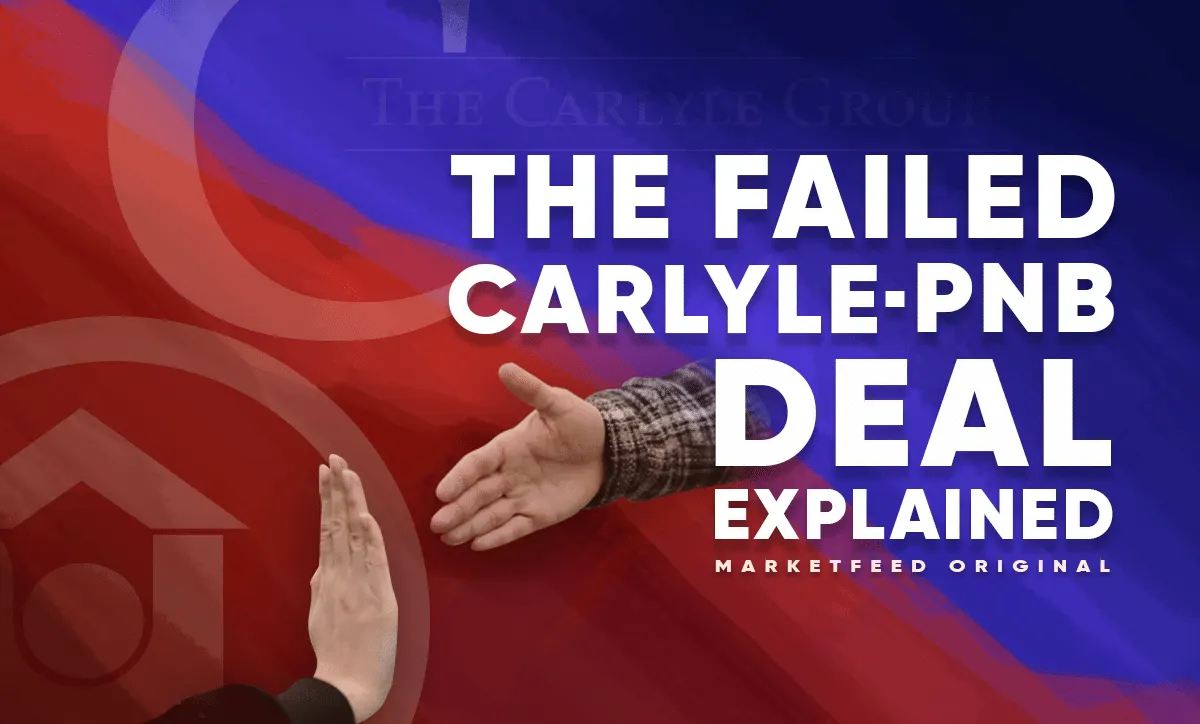
In early 2021, PNB Housing Finance planned to raise Rs 4,000 crore through preferential shares and convertible bonds, with Carlyle Group-led investment vehicles as major investors. However, the deal was stalled due to concerns raised by SES with SEBI.
Key takeaways
- In early 2021, PNB Housing Finance announced plans to raise Rs 4,000 crore through the allotment of preferential shares and convertible bonds.
- The Carlyle Group-led investment vehicle was set to invest Rs 3,185 crore out of the Rs 4,000 crore investment plan.
- Proxy advisory firm Stakeholder Empowerment Services (SES) raised concerns with SEBI, opposing the fundraising plan.
- SES argued that PNB Housing Finance’s preferential shares were unfairly priced and that the allotment jeopardized minority shareholders' interests.
- In October 2021, PNB Housing finance announced that it had terminated the preferential stake sale to Carlyle.
In early 2021, Punjab National Bank Housing Finance announced plans to raise Rs 4,000 crore through the allotment of preferential shares and convertible bonds. PNB Housing Finance would alot these shares to private equity firm Carlyle Group-led investment vehicles, Aditya Puri’s family investment arm, and a bunch of other shareholders. However, SES, a proxy advisory firm, raised concerns with SEBI, which eventually led to the deal being stalled. An investment vehicle is a non-bank financial institution that manages assets on behalf of investors with the goal of increasing their value in the future. In this piece, we explore what the PNB-Carlyle deal was all about and what led it to its failure.
The Story
In June 2021, the Board of Directors of PNB Housing Finance approved a decision to raise a capital of Rs 4,000 crore by allotting ‘preferential shares’ to a bunch of its shareholders. Private equity firm Carlyle Group-led investment vehicle would lead a majority of the investment round. This would mean that the Carlyle Group would gain greater control over a Public Sector Undertaking (PSU) due to a greater shareholding in the company. The group would invest Rs 3,185 crore out of the Rs 4,000 crore investment plan. After the deal, the total shareholding of Punjab National Bank (PNB) would eventually reduce from ~32% to ~20%.
Proxy advisory firm Stakeholder Empowerment Services (SES) raised concerns with the Securities and Exchange Board of India (SEBI), opposing the fundraising plan. A proxy firm provides services to shareholders to vote their shares at shareholder meetings of, usually, quoted companies. The firm also provides data and recommendations to institutional investors on management and shareholder proposals voted on at a company's annual meeting.
SES raised the following concerns with SEBI regarding the Rs 4,000 crore capital raising plan:
- PNB Housing Finance’s preferential shares were unfairly priced. Since the company holds a ‘Public Sector Undertaking’ status, it holds a much lower ‘PE Ratio’ than its private counterparts. The fact hasn’t been taken into consideration while pricing the equity shares.
- A preferential allotment was being made to select shareholders to ensure that the resolution is passed. This move could jeopardise the interests of minority shareholders.
After SES raised concerns about the deal, SEBI ordered PNB Housing Finance to stall the Emergency General Meeting where the voting for the capital raise was going to take place. Thereafter, PNB Housing Finance moved the Securities Appellate Tribunal (SAT) against SEBI.
The Securities Appellate Tribunal gave a very mixed verdict on the issue. The split verdict contained some statements that were in favour of SEBI and a few in favour of PNB Housing Finance. SEBI then appealed to the Supreme Court against PNB Housing Finance. In October 2021, PNB Housing finance announced that it had terminated the preferential stake sale to Carlyle.
Conclusion
While there is no right or wrong in this scenario, Punjab National Bank had announced the company had no intentions of diluting its stake in PNB Housing Finance. After the deal was terminated, CEO and MD, PNB Housing Finance, Hardayal Prasad said that the company had no plans on ‘going legal’. Instead, the company would focus on growing its business. The Rs 4,000 crore deal was extremely crucial for PNB Housing Finance. The company wanted to finance the housing debt market due to increased demand for housing and low-interest rates. While a lot of ‘unfair’ deals sneak through right under the nose of SEBI, firm action against this particular deal signifies greater responsibility by SEBI.
Frequently asked questions
What was the PNB-Carlyle deal?
The PNB-Carlyle deal involved PNB Housing Finance's plan to raise Rs 4,000 crore by allotting preferential shares and convertible bonds, primarily to Carlyle Group-led investment vehicles and other shareholders.
Why did the PNB-Carlyle deal fail?
The PNB-Carlyle deal failed because SES, a proxy advisory firm, raised concerns with SEBI regarding unfair pricing of preferential shares and potential jeopardization of minority shareholders' interests, leading to SEBI stalling the deal.
What was the role of SES in the PNB-Carlyle deal?
SES, a proxy advisory firm, raised concerns with SEBI regarding the PNB-Carlyle deal, specifically about the unfair pricing of preferential shares and the potential negative impact on minority shareholders.
Written by
Maarg VaidyaRelated reads

Natural Gas Trading: A Beginner’s Guide
Learn the basics of natural gas trading, including liquidity, volatility, derivatives, capital requirements, and factors influencing prices, in this beginner's guide.
Union Budget 2025-26: Key Highlights and New Tax Slabs Explained
Explore key highlights of the Union Budget 2025-26, including new tax slabs, sector allocations for agriculture, healthcare, defense, and infrastructure.

A Simple Guide to Trading Gold and Silver on MCX
Learn to trade gold and silver on MCX with this guide. Understand contract types, capital requirements, and factors influencing prices for profitable trading.
Join 2.4M+ Indians · Free · 2 min