Editorial
IndusInd Bank In Trouble Over Whistleblower Allegations
IndusInd Bank faces allegations of 'evergreening' loans by senior employees, despite reporting strong Q2 FY22 results. The Reserve Bank of India is conducting an audit into these claims.
On this page
Key takeaways
- IndusInd Bank reported a 72% YoY profit increase in Q2 FY22, with interest income up by 6.59% and gross NPA reduced by 2.77%.
- Senior officials at Bharat Financial Inclusion Limited (BFIL), a subsidiary of IndusInd Bank, have alleged mismanagement and malpractices, including 'evergreening' of loans.
- 'Evergreening' of loans is when banks give new loans to the same borrowers to pay off older dues, preventing them from being classified as Non-Performing Assets (NPAs).
- IndusInd Bank has refuted the allegations as 'grossly inaccurate and baseless' but admitted to a 'technical glitch' in May 2021 that disbursed 84,000 loans without consent.
- The Reserve Bank of India (RBI) is conducting a technical audit into the whistleblower's allegations, and an external audit might be ordered if needed.
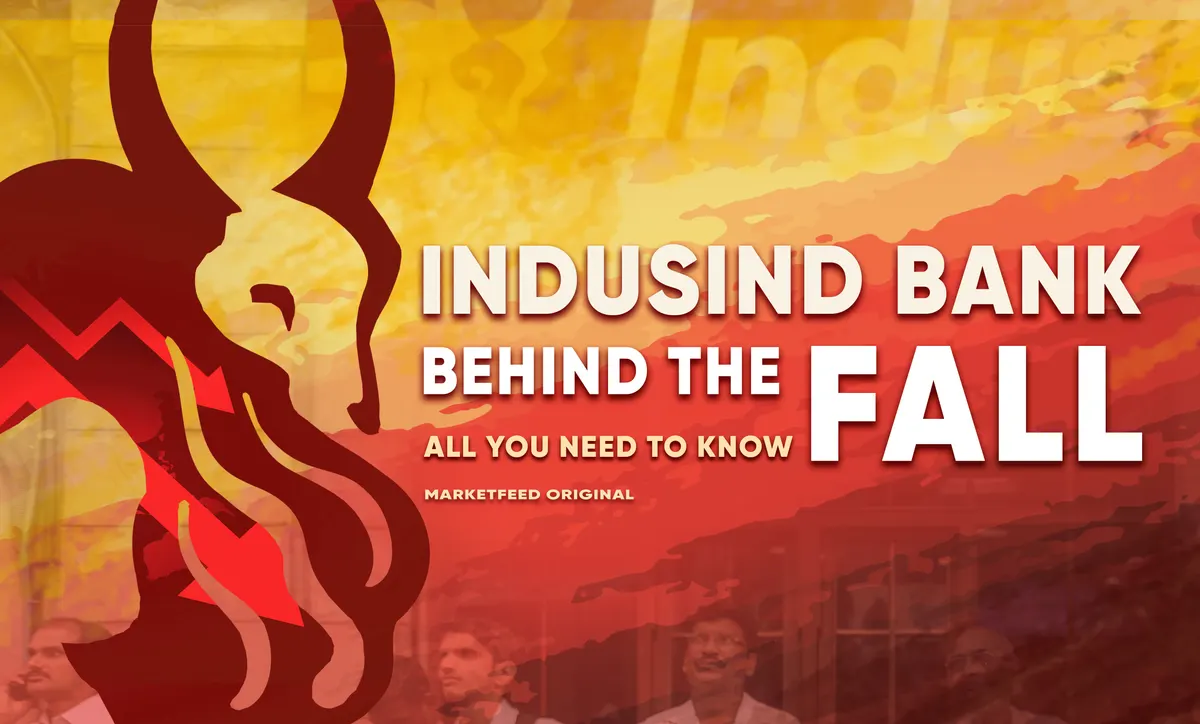
IndusInd Bank had a tremendous Q2 FY22 quarterly result after its profits rose by 72% YoY. Its Interest Income rose by 6.59%, Provisions and Contingencies fell by 7.6% and Gross NPA reduced by 2.77%. Despite such great results, IndusInd’s share price had a freefall last day. This piece covers the allegations made by a group of senior employees, IndusInd Bank’s stance on it, and the way ahead.
What Went Wrong With IndusInd?
IndusInd Bank was set up in 1984 by the Hinduja Group and was one of the first private sector banks that helped in accelerating the process of reforms in post-liberalised India. You can read more about the Hinduja Group here.
IndusInd Bank, like any other bank, gives out loans from which it earns Interest Income. IndusInd’s loan book is managed by Bharat Financial Inclusion Limited (BFIL), a 100% subsidiary of IndusInd Bank.
Some of the senior officials at BFIL have alerted the Reserve Bank of India (RBI) and alleged some mismanagement and malpractices at IndusInd. The whistleblowers allege that IndusInd Bank has been ‘evergreening’ loans since the beginning of the COVID-19 pandemic.
What Is ‘Evergreening’ Of Loans?
Banks give out loans to earn interest income. A portion of the loans disbursed by banks remain unpaid by borrowers, or certain borrowers tend to ‘default’ on loans. If the loan remains unpaid for a certain period, it gets classified as a Non-Performing Asset or NPA. For every loan declared NPA, the bank has to set aside some money as ‘provision’. These provisions are set aside as assets to pay for anticipated future losses. They eat into the company’s profits. To avoid cutting down on profits, it is in the banks’ best interest to reduce the number of NPAs.
‘Evergreening’ of loans is when banks try to revive loans on the verge of being classified as Non-Performing Assets. A Bank gives out loans to the same borrowers to pay their older dues. Essentially, borrowers are paying back the bank by borrowing from the same bank. Evergreen loans are also known as Revolving Credit or Revolving Loans.
The evergreening of loans benefits both the banks as well as the borrowers. It gives the borrower more time to pay back the loan amount and prevents banks from getting higher NPAs, eventually translating into profit. But it can also be seen as pouring fuel into a fire, trying to get back cash by doubling down on the bad loans. This is not ideal in the long run.
What Is IndusInd’s Stance On The Allegations?
IndusInd Bank has refuted allegations made by the whistleblowers. In a PR statement, IndusInd has clarified the following:
- It has refuted whistleblower allegations on loan evergreening as "grossly inaccurate and baseless."
- Due to a ‘ technical glitch’, it admitted to disbursing 84,000 loans to customers without their consent in May 2021. The problem was reported within two days and rectified.
- Due to ‘Operational Issues’ in the second wave of the COVID-19 pandemic in India, the bank disbursed some loans in cash at the village/panchayat level.
- The bank continues to follow biometric authentication, and has disbursed loans only in the bank accounts of clients.
- Any additional liquidity or assistance given to borrowers was done within the ECLGS (Emergency Credit Line Guarantee Scheme) framework or other restructuring or moratorium guidelines issued by the RBI.
Even after the clarification by IndusInd Bank, its shares tanked 12% on both of the Indian exchanges. IndusInd Bank has reported an increase in stress in its microfinance loans portfolio. The NPA ratio in the microfinance segment went up from 1.69% to 3.09% in the September quarter. The allegations come after a stellar quarterly performance by IndusInd Bank.
The possibility of foul play can neither be confirmed nor be denied. A panel of the RBI is conducting a technical audit looking into the whistleblower’s allegations. An external audit might be ordered in case the need arises. Till then, it is in the best interest of investors and shareholders to stay alert about any updates on the audit by the RBI.
Frequently asked questions
What are the allegations against IndusInd Bank?
The whistleblowers allege that IndusInd Bank has been 'evergreening' loans since the beginning of the COVID-19 pandemic.
What is 'evergreening' of loans?
'Evergreening' of loans is when banks try to revive loans on the verge of being classified as Non-Performing Assets by giving out new loans to the same borrowers to pay their older dues.
What is IndusInd Bank's stance on the allegations?
IndusInd Bank has refuted allegations made by the whistleblowers as 'grossly inaccurate and baseless'.
What is the Reserve Bank of India doing about the allegations?
A panel of the RBI is conducting a technical audit looking into the whistleblower’s allegations.
Written by
Maarg VaidyaRelated reads

Natural Gas Trading: A Beginner’s Guide
Learn the basics of natural gas trading, including liquidity, volatility, derivatives, capital requirements, and factors influencing prices, in this beginner's guide.
Union Budget 2025-26: Key Highlights and New Tax Slabs Explained
Explore key highlights of the Union Budget 2025-26, including new tax slabs, sector allocations for agriculture, healthcare, defense, and infrastructure.

A Simple Guide to Trading Gold and Silver on MCX
Learn to trade gold and silver on MCX with this guide. Understand contract types, capital requirements, and factors influencing prices for profitable trading.
Join 2.4M+ Indians · Free · 2 min